

6 Design Choices That Quietly Disrupt How Your Home Feels (And How to Fix Them)

If your home has been feeling off but you can’t pinpoint why, the next step is clarity. Schedule a design consult
A home does not have to be outdated to feel off. More often, it comes down to a few design decisions that affect how the space functions day to day.
Layout, lighting, flow, and how everything works together all influence how your home feels to live in. When those elements are aligned, everything feels easier.
When they are not, you start to feel it in subtle ways.
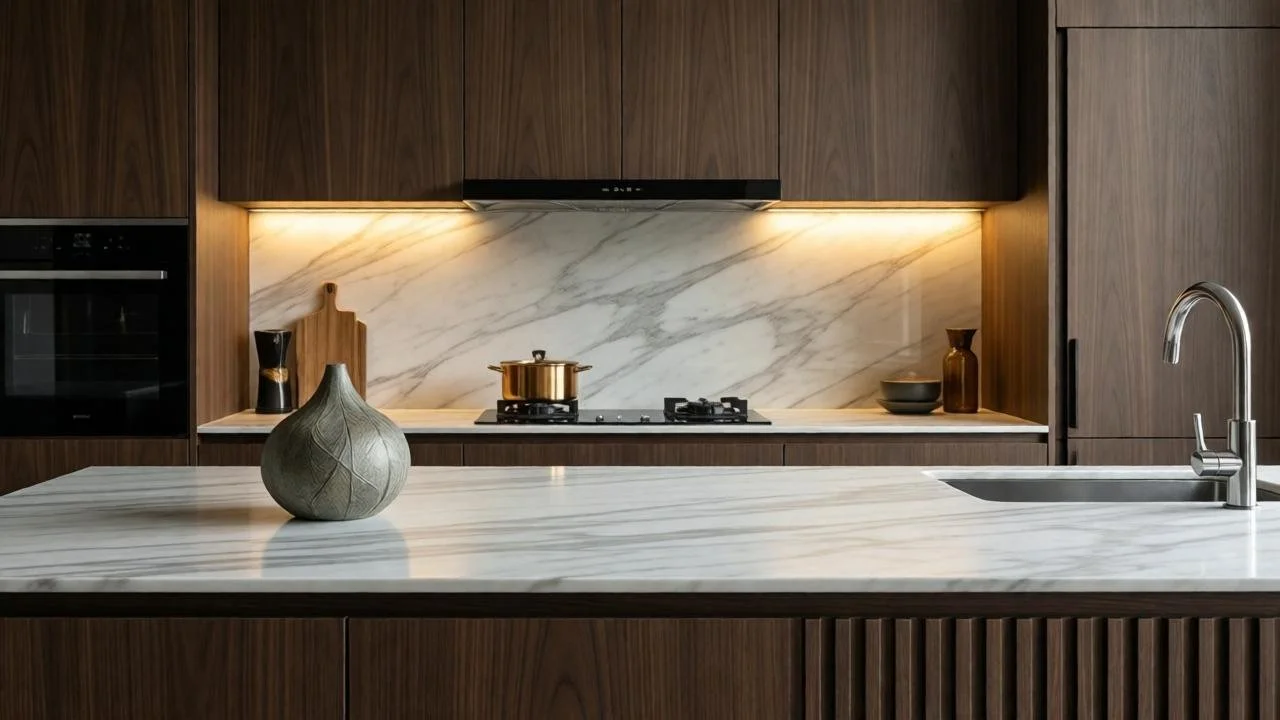
CLUTTERED SURFACES
Clutter is not just visual. It directly impacts how your brain processes a space.
When surfaces are overloaded, your attention is constantly being pulled in multiple directions. Even if you’re not consciously aware of it, it creates mental fatigue over time.
This is one of the most common reasons a home can feel overwhelming without a clear cause.
The goal is not to remove everything. It’s to design surfaces that support how the space is used.
That might mean:
Reducing non-functional items
Creating intentional zones
Designing storage that keeps essentials accessible but controlled
Clear surfaces allow the space to function with less effort.
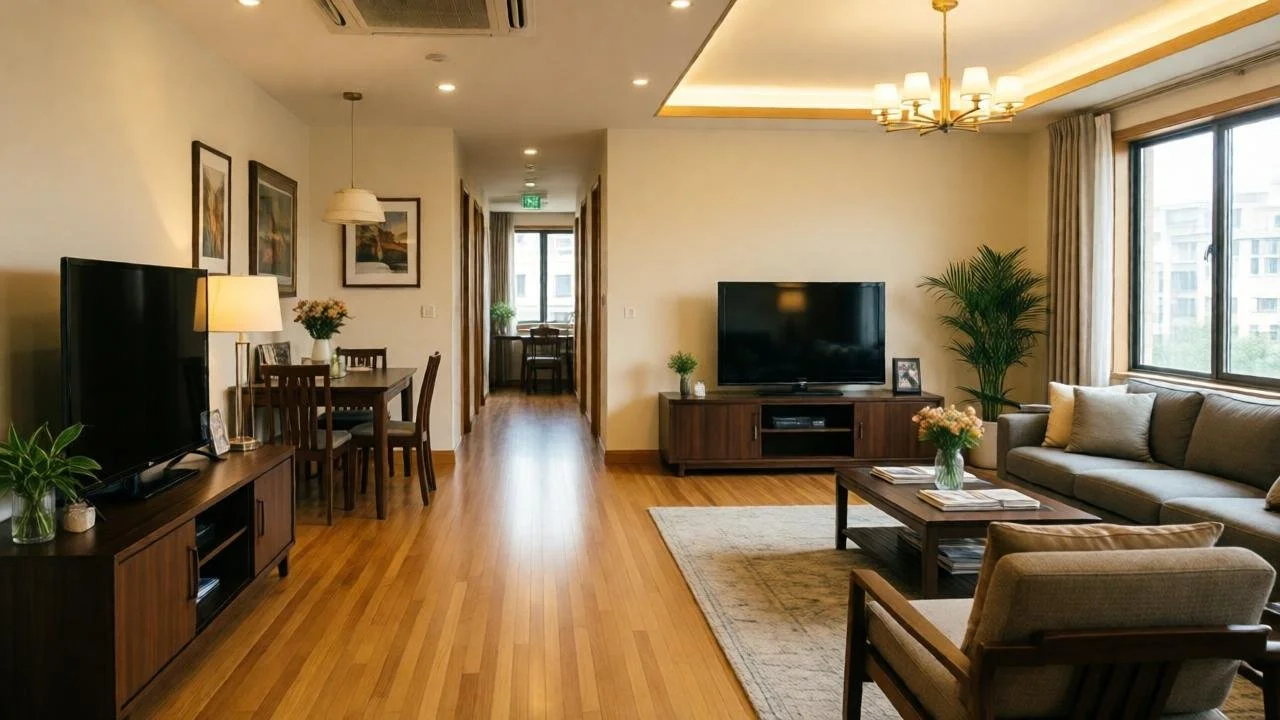
POOR LIGHTING
Lighting is one of the most underestimated factors in how a home feels.
A space can have strong design elements and still feel off if the lighting is not supporting it.
In SWFL homes especially, we often see:
Over-reliance on overhead lighting
Lack of task lighting in functional areas
Inconsistent color temperature between fixtures
This creates uneven visibility and affects how comfortable a space feels to use.
Well-designed lighting layers:
Ambient lighting for overall visibility
Task lighting for function
Accent lighting for depth and balance
When those work together, the space feels intentional and usable at all times of day.
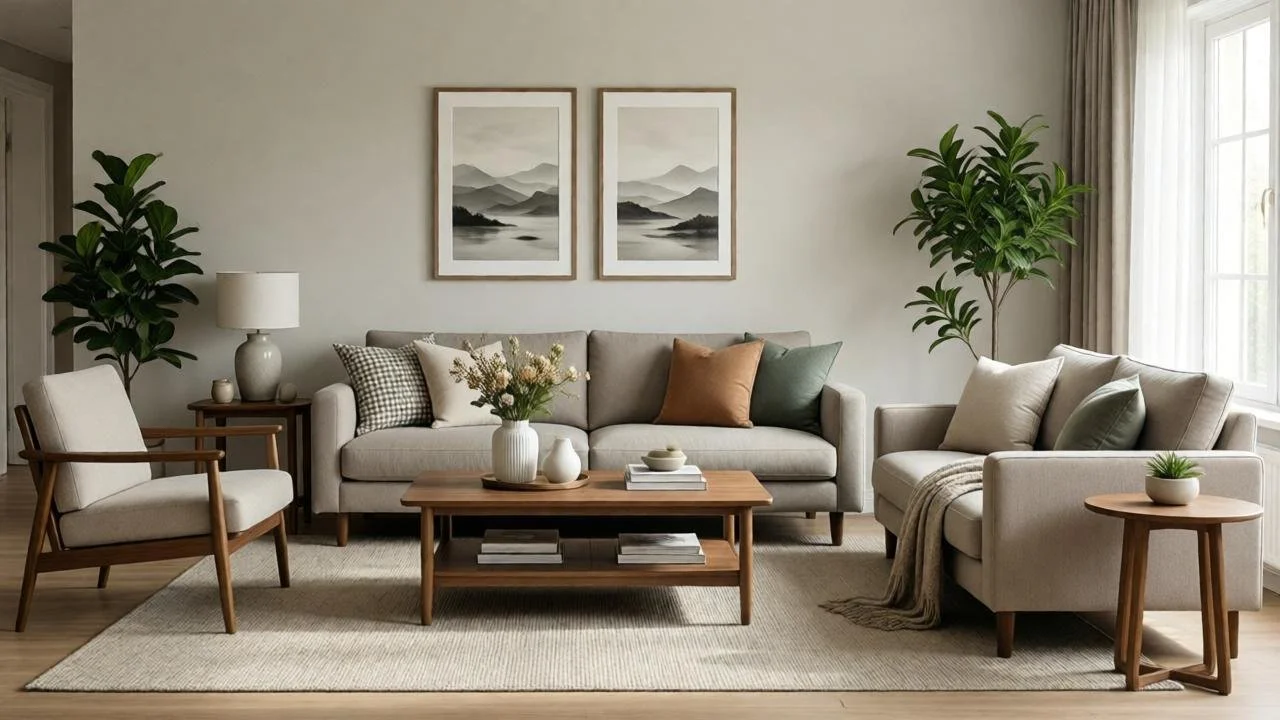
DISRUPTED FLOW
Flow is not something most homeowners think about until it becomes a problem.
If you find yourself:
Walking around furniture
Adjusting your path through a room
Avoiding certain areas entirely
That is a layout issue.
Even small inefficiencies in movement create daily friction. Over time, that friction turns into frustration.
This is especially important in kitchens and main living areas, where movement patterns are repeated constantly.
A well-designed layout allows movement to feel natural, not forced.
If you want to understand how these elements apply to your home, you can explore the full design process here: Mindful Design Services
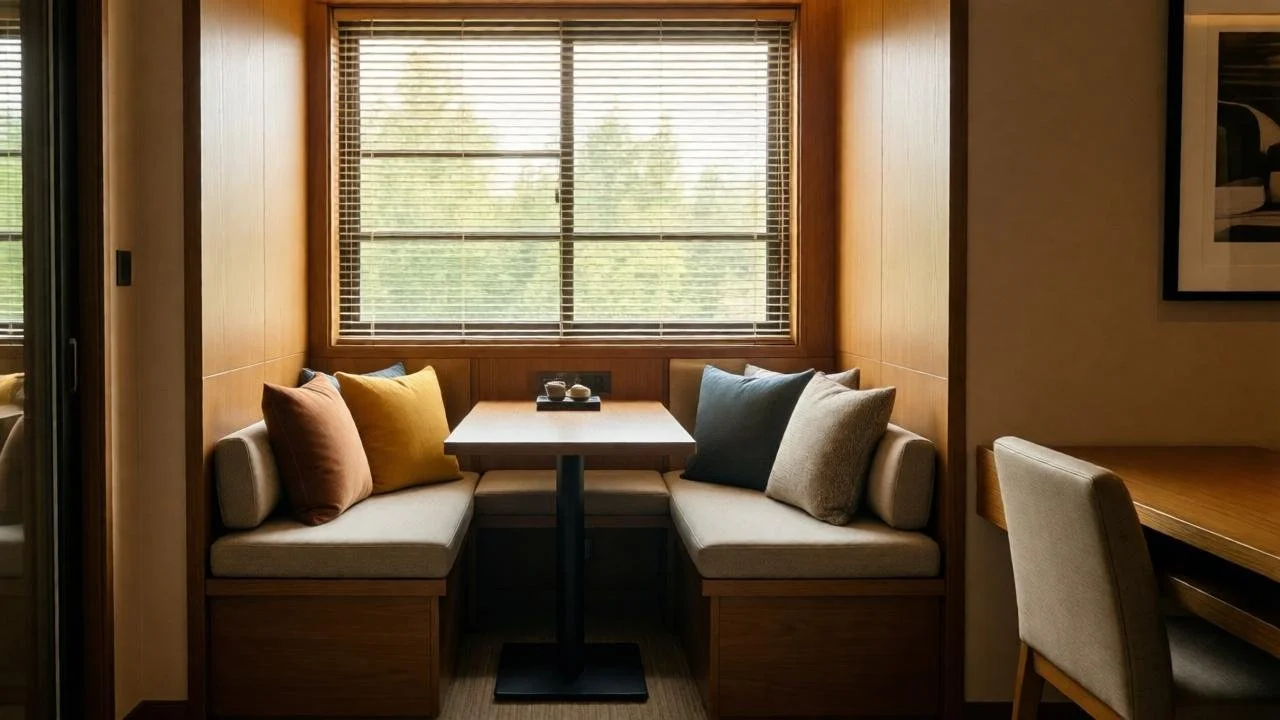
UNBALANCED DESIGN
When a space feels off but nothing obvious stands out, it is often a balance issue.
Balance in design is about visual weight and proportion.
Common issues include:
Furniture that is too large or too small for the space
Heavy materials concentrated in one area
Lack of visual grounding in key zones
Without balance, a room can feel unstable or unfinished, even if everything in it is technically “nice.”
Balanced design creates a sense of stability and calm that people feel immediately, even if they can’t explain why.
UNUSED SPACE
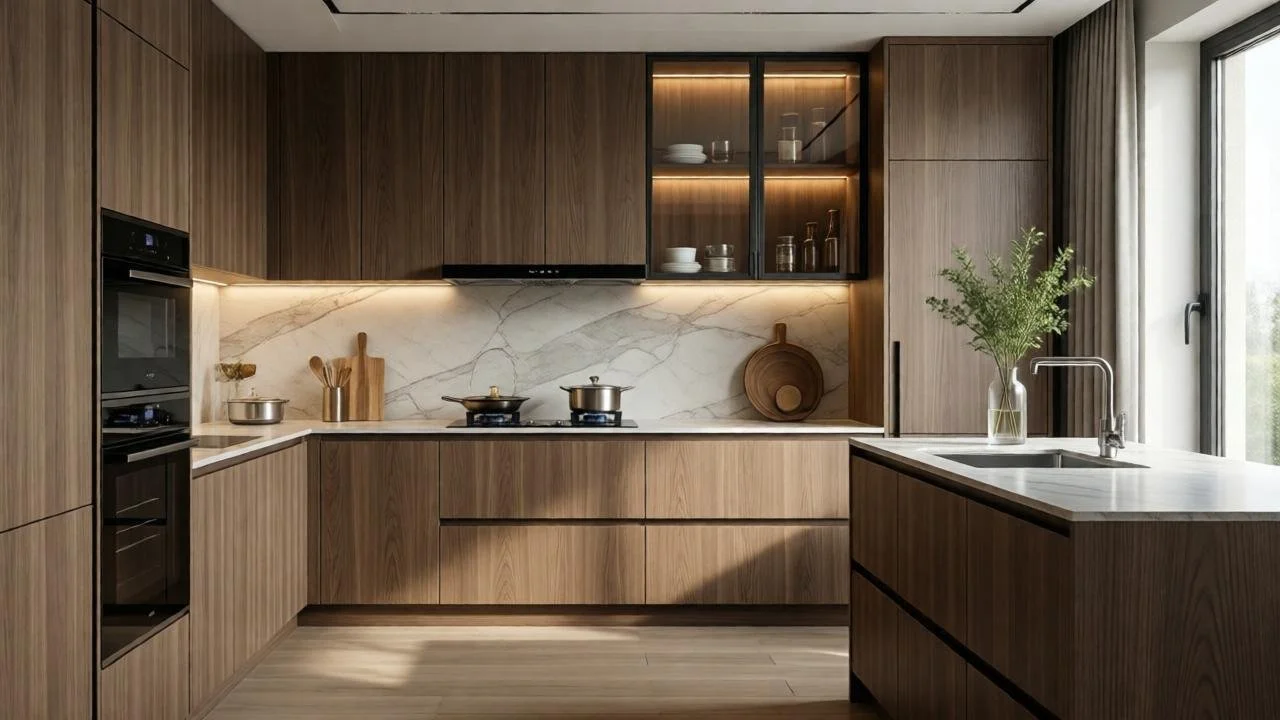
Unused or underutilized space is one of the clearest signs that a home is not aligned with how it is being lived in.
This often shows up as:
Empty corners
Rooms that are rarely used
Areas that feel disconnected from daily routines
In many cases, the issue is not the space itself. It is how it has been defined.
Every part of a home should support a function, even if that function is simple.
When space is used intentionally, the home feels more cohesive and efficient.
TOO MUCH VISUAL NOISE
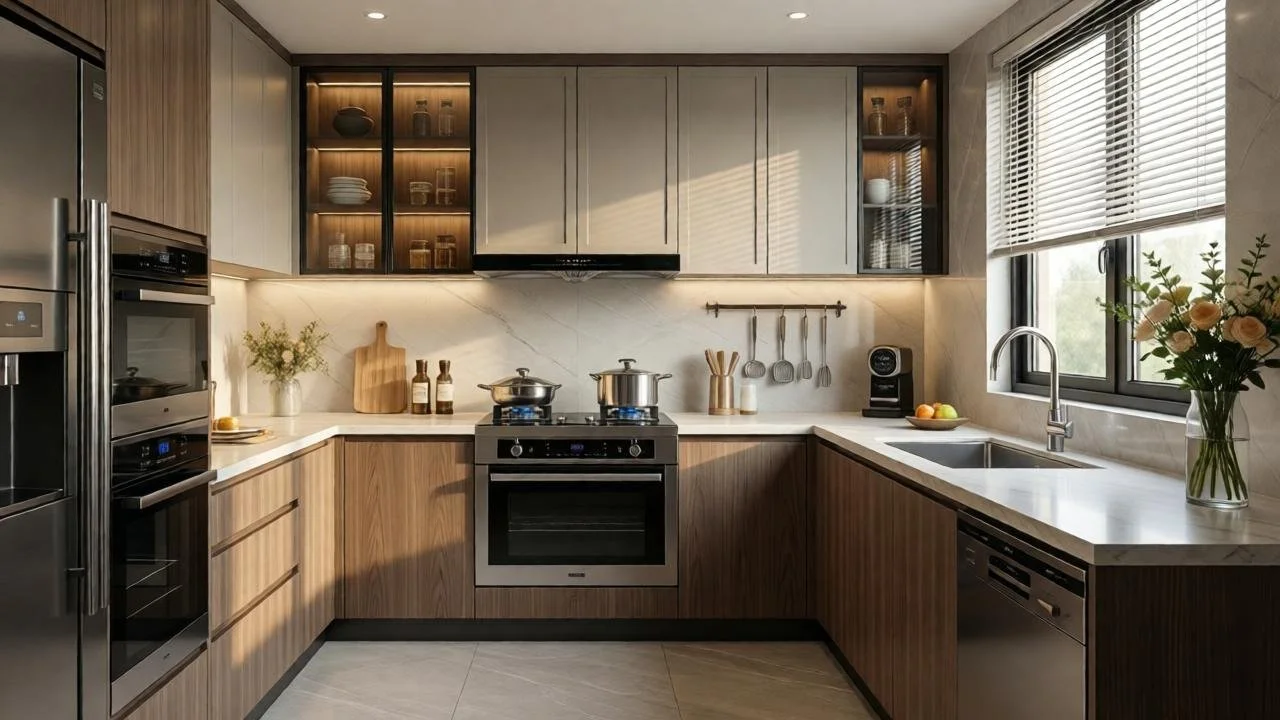
Visual noise happens when too many elements compete for attention.
This can come from:
Multiple finishes that do not relate to each other
Overuse of patterns or textures
Too many focal points within the same space
The result is a room that feels busy, even if it is clean.
High-end design is not about adding more. It is about refining what is there.
A controlled material palette and intentional repetition create clarity and cohesion.
CONCLUSION
Most of these issues are not obvious at first. But once you see them, they become easier to address. The key is knowing what to look for and having a clear plan to move forward.
If your home isn’t functioning the way it should, the next step is clarity. Schedule your design consult
If you want to understand what a remodel process looks like before booking: What to Expect During Your Remodel (And How to Stay Confident Through It)
