Nikki’s Wellness Blog

Nikki Bruty Nikki Bruty

Your 2026 Remodel Starts Now: 5 Design Decisions to Make Before the New Year

Planning a remodel or home refresh for 2026 starts long before construction begins. In this December guide, we explore the five design decisions that create clarity, reduce overwhelm, and set the foundation for a mindful, intentional transformation. Whether you're refining your style, choosing materials, or mapping out a remodel, your best results begin with thoughtful design.

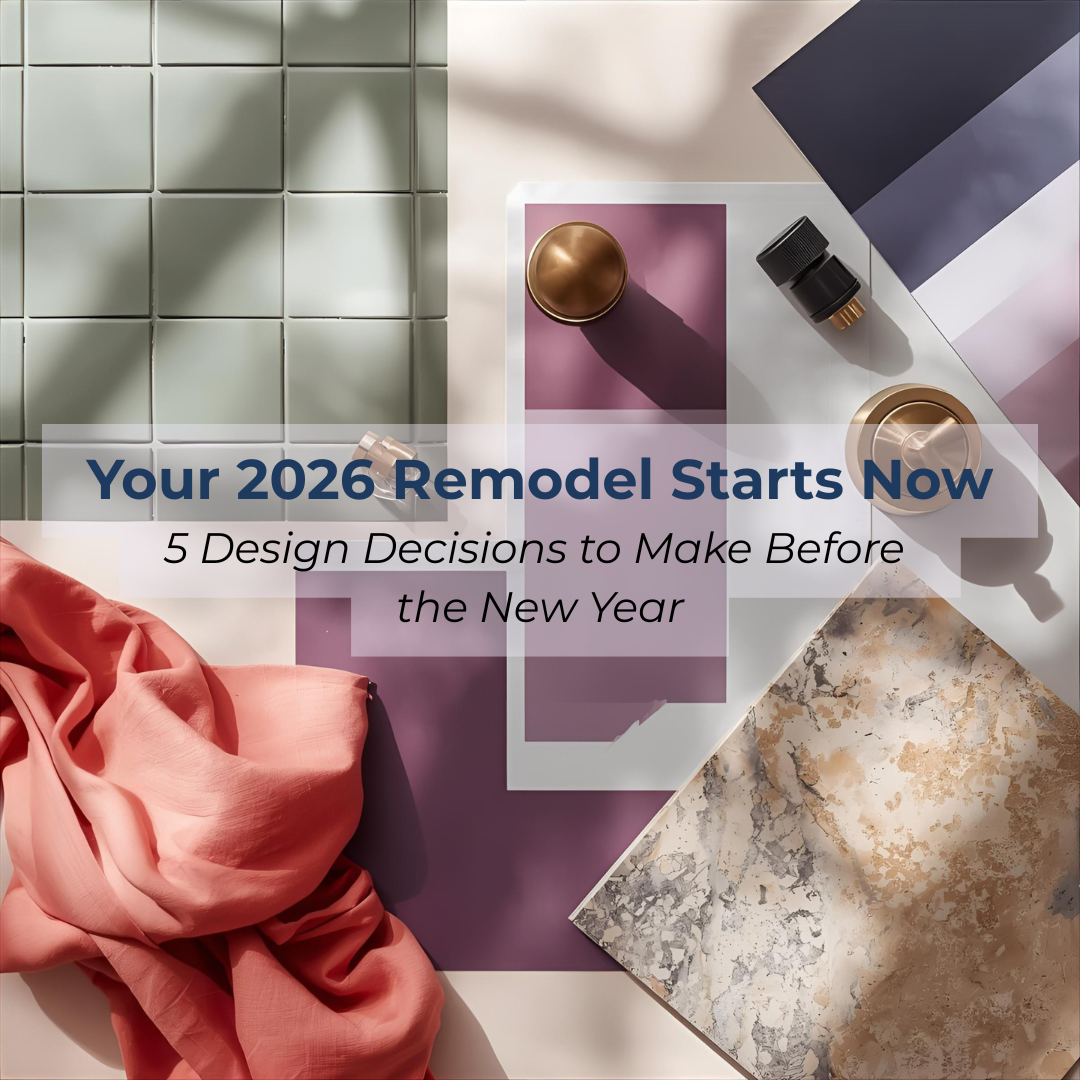
Overhead view of a colorful interior design mood board featuring sage tiles, plum and lavender paint swatches, coral fabric, brass hardware, and natural stone samples arranged on a designer’s workspace.

Overhead view of a colorful interior design mood board featuring sage tiles, plum and lavender paint swatches, coral fabric, brass hardware, and natural stone samples arranged on a designer’s workspace.

December isn’t just a month of celebration. It’s the quiet breath before the new year begins. For homeowners in Southwest Florida (and snowbirds settling in for the season), it’s also the ideal moment to start planning a remodel or home update.

Whether you’re preparing for a full renovation or simply refreshing a few key spaces, the truth is:

The success of your remodel is determined long before the first hammer swings.

This is the planning season.
This is where clarity is created.
This is where great remodels begin.

Whether you're reading this in December, January, or anywhere in the new year, the best time to begin your remodel planning is always now—before construction season fully ramps up.

Design decisions made early lead to clearer budgets, fewer delays, and a smoother project flow. If you're thinking about refreshing or remodeling your home in 2026, starting your design work now gives you the calm foundation you need for everything that comes next.

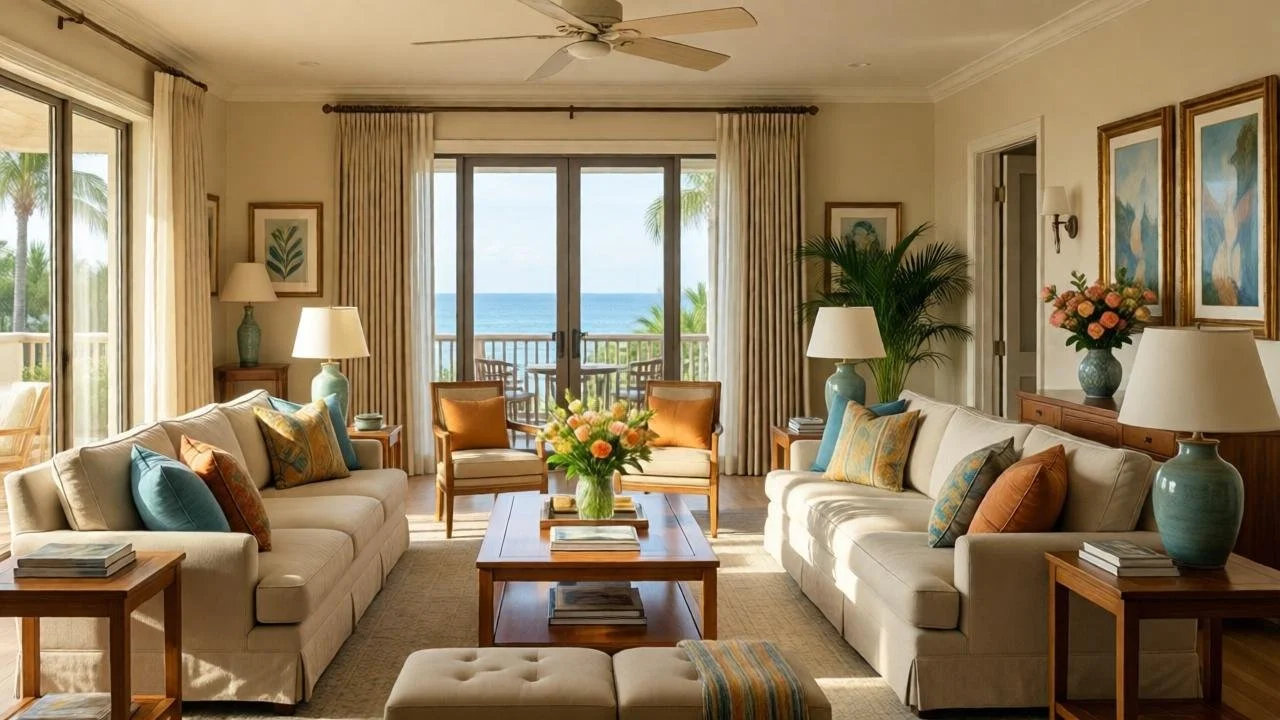
Colorful living room with sage green plant, coral throw pillow, teal ceramic vase, and soft amethyst accents in natural light, styled to evoke a calm and intentional atmosphere.

Colorful living room with sage green plant, coral throw pillow, teal ceramic vase, and soft amethyst accents in natural light, styled to evoke a calm and intentional atmosphere.

1. Get Clear on How You Want the Space to Feel

Most remodels start with what you want to change.
The best remodels start with how you want to live.

Ask yourself:

  • Do I want more calm?

  • More light?

  • Better flow?

  • A space that feels fresh and uncluttered?

  • A home that supports my lifestyle, not drains it?

When your remodel starts with emotion and intention, design decisions feel easier — and your final space feels meaningful.

Designer Tip:
When I walk into a client’s home, I’m looking for the energetic gaps — areas where the home isn’t aligned with who you are today.
This becomes the roadmap for the entire project.

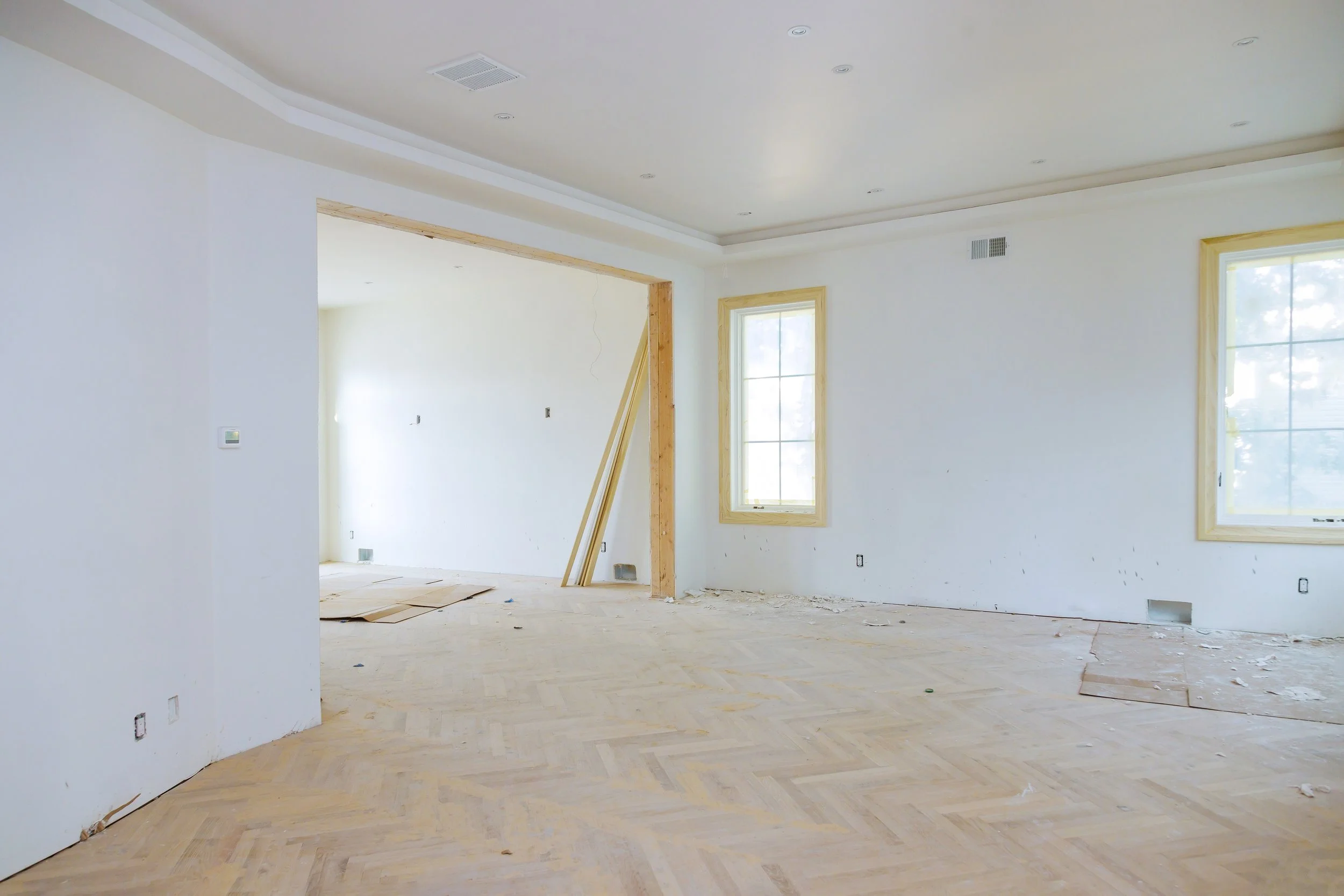
Side-by-side conceptual interior showing a cluttered layout on one side and a colorful, harmonious layout with improved flow on the other.

Side-by-side conceptual interior showing a cluttered layout on one side and a colorful, harmonious layout with improved flow on the other.

2. Identify What’s Not Working in Your Current Layout

Before picking paint colors or materials, identify your functional pain points.

Typical examples I see in SWFL homes:

  • Kitchens with poor prep flow

  • Primary baths that feel busy or cramped

  • Living rooms overloaded with furniture

  • Dark or heavy-feeling spaces

  • Guest rooms that don’t feel welcoming

  • Outdated finishes that drag down the whole home

Function drives design — not the other way around.

Stylish overhead flat lay of coordinated design materials including coral textiles, sage greens, lavender swatches, and teal accents arranged into a cohesive interior palette.

Stylish overhead flat lay of coordinated design materials including coral textiles, sage greens, lavender swatches, and teal accents arranged into a cohesive interior palette.

3. Choose a Cohesive Style (Before Contractors Get Involved)

Your home doesn’t have to match every trend — but it does need design direction.

Whether you’re drawn to coastal calm, modern Zen, organic neutrals, or colorful wellness spaces, choosing a style early prevents expensive mistakes.

This also helps:
✔ guide contractors
✔ reduce decision fatigue
✔ create visual flow
✔ avoid remodel regret

Designer Tip:
This is where mood boards, color psychology, and space imaging come in.
In my design process, clients often discover a style that feels like “home” — not just “pretty.”

Close-up of colorful interior materials such as stone, tile, fabric, and metal finishes laid out neatly on a table in a designer’s workspace.

Close-up of colorful interior materials such as stone, tile, fabric, and metal finishes laid out neatly on a table in a designer’s workspace.

4. Build Your Materials List Now (Supply Delays Are Real)

Even the simplest remodel can get delayed by:

  • unavailable tile

  • discontinued cabinets

  • material shortages

  • shipping delays

  • unclear lead times

December is the perfect month to:
✔ pick tile
✔ finalize flooring
✔ approve cabinet finishes
✔ choose countertops
✔ select lighting
✔ confirm hardware

This gives contractors everything they need to start 2026 strong — and it gives you peace of mind.

Interior designer reviewing with client colorful material samples and a digital room mockup during a design consultation session.

Interior designer reviewing with client colorful material samples and a digital room mockup during a design consultation session.

5. Schedule Your Designer — Not Just a Contractor

This is the piece homeowners overlook most.

Contractors execute.
Designers plan.

The most seamless remodels happen when the design vision, materials, layout, functionality, and wellness-driven flow are locked in before construction begins.

A designer helps you avoid:

  • unnecessary spending

  • mismatched selections

  • miscommunication between trades

  • frustration

  • decision overwhelm

  • layout mistakes that are expensive to fix

A remodel is a collaboration — and design is the foundation.

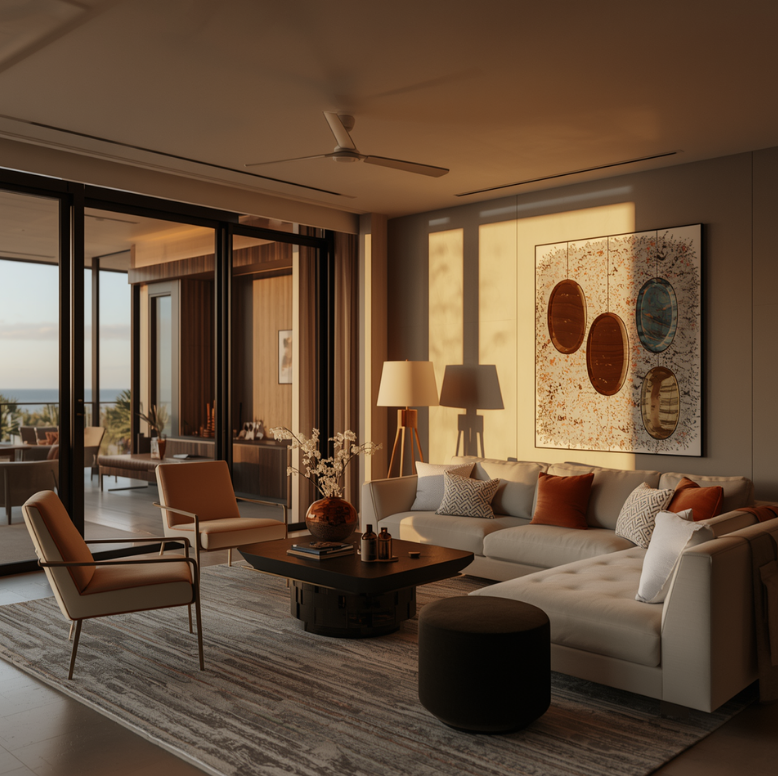
Colorful, calming interior vignette featuring a sage plant, lavender throw, teal vase, and warm natural light, representing a peaceful home environment.

Colorful, calming interior vignette featuring a sage plant, lavender throw, teal vase, and warm natural light, representing a peaceful home environment.

Ready to Make 2026 Your Year of Renewal?

If a remodel, refresh, or energetic shift is on your mind, I’d love to help you create a space that truly supports the life you’re stepping into—no matter the month.

Schedule a design consultation anytime you’re ready to explore your options, get clarity, or begin mapping out your 2026 project with intention.

Schedule Your Design Consultation Here

Let’s make your home your sanctuary.


Nikki Bruty, NDICQ Certified Designer
Mindful Design SWFL
Feng Shui-Informed, Wellness-Focused Interior Design

Sunday, December 12, 2025

Colorful watercolor background with the Mindful Design logo featuring a rainbow-hued tree over a moon. Below it, text reads: ‘Nikki Bruty, NDICQ Certified Designer • Mindful Design SWFL • Feng Shui–Informed, Wellness-Focused Interior Design.’

Colorful watercolor background with the Mindful Design logo featuring a rainbow-hued tree over a moon. Below it, text reads: ‘Nikki Bruty, NDICQ Certified Designer • Mindful Design SWFL • Feng Shui–Informed, Wellness-Focused Interior Design.’

Read More
Nikki Bruty Nikki Bruty

Why Wellness-Focused Interior Design is the Future of Homes

Interior design has always been about creating beautiful spaces. But today, beauty alone isn’t enough. Homeowners want environments that restore, energize, and support their wellbeing. That’s where wellness-focused design comes in with a blend of functionality, aesthetics, and principles like Feng Shui that nurture both the home and the people who live in it.

At Mindful Design, we believe this approach is not a passing trend but the future of how we live.

Split-view interior concept: one side cluttered and dull, the other serene, colorful, and balanced — showing transformation through mindful design.

Beyond Pretty Spaces

Most design trends prioritize looks — sleek kitchens, trendy color palettes, or Instagram-worthy furniture. But what’s missing is how the home feels. A wellness-focused space considers natural light, flow, air quality, and emotional connection to each room. It’s design that doesn’t just impress guests but supports your daily life.

Bright bedroom with soft morning light, plants, and calming color palette of greens and creams with hints of amber.

Wellness as a Core Value

Wellness-focused design integrates holistic values:

  • Calm: Bedrooms designed for restorative sleep

  • Balance: Clear entryways and uncluttered surfaces

  • Vitality: Healthy plants, fresh air, and natural light

  • Support: Layouts that make life easier, not harder

When a home aligns with these values, it becomes a sanctuary — a place where stress eases and energy is restored.

Balanced living room arranged by Feng Shui — plants, art, and furniture positioned harmoniously.

The Role of Feng Shui


Feng Shui is one of the original wellness design systems. Rooted in ancient wisdom, it focuses on the placement of elements to create harmony. Applied thoughtfully, it ensures homes feel balanced, supportive, and full of life force (chi). Nikki’s work integrates these principles without gimmicks — grounded, modern, and practical.

Smiling small family enjoying a mindful home — natural light, cozy yet stylish interior, greenery in background.

Why This Matters Now

The pandemic redefined the meaning of “home.” It’s no longer just where we live; it’s where we work, recharge, and connect. As stress levels rise, more people are searching for design that heals. Wellness-focused interiors are no longer luxury — they’re becoming essential.

Bright, sustainable home with biophilic elements blending tech with nature and mindful energy.

The Future of Home Design

Looking ahead, the demand for wellness will drive design choices:

  • Eco-friendly materials that promote health

  • Multi-functional spaces that reduce overwhelm

  • Natural textures and colors that calm the senses

  • Personalized design rooted in lifestyle and values

Homeowners will seek designers who understand how space affects body, mind, and spirit. Nikki is part of that movement — leading with balance, wellness, and intention.

Watercolor image inspired by sunlight through leaves with ‘Stay in the Flow’ the text overlay.

Final Thought

Your home is more than décor — it’s a tool for wellness. By integrating mindful choices, small remedies, and thoughtful layouts, you can create a sanctuary that supports your best life.

Want to learn more? Join the Stay in the Flow newsletter for tips, remedies, and design insights — and be the first to receive free guides like the Bagua Map and Quick Remedies Checklist.

Subscribe to Stay in the Flow
Read More

Stay in the flow — sign up for our invite-only Q&A, secret Feng Shui remedies, and design tips →

Stay in the Flow