

What to Expect During Your Remodel (And How to Stay Confident Through It)
A renovation always begins with optimism. You picture the finished kitchen. The new layout. The light. The flow. But once construction begins, reality looks very different. Dust. Noise. Exposed framing. Temporary inconvenience. If you aren’t prepared for the emotional rhythm of a remodel, even a well-planned project can feel overwhelming. Here’s what actually happens during a renovation, and how thoughtful design keeps the process steady from start to finish.
Planning a remodel in Southwest Florida?
A design consultation can help clarify layout, materials, and project priorities before construction begins.
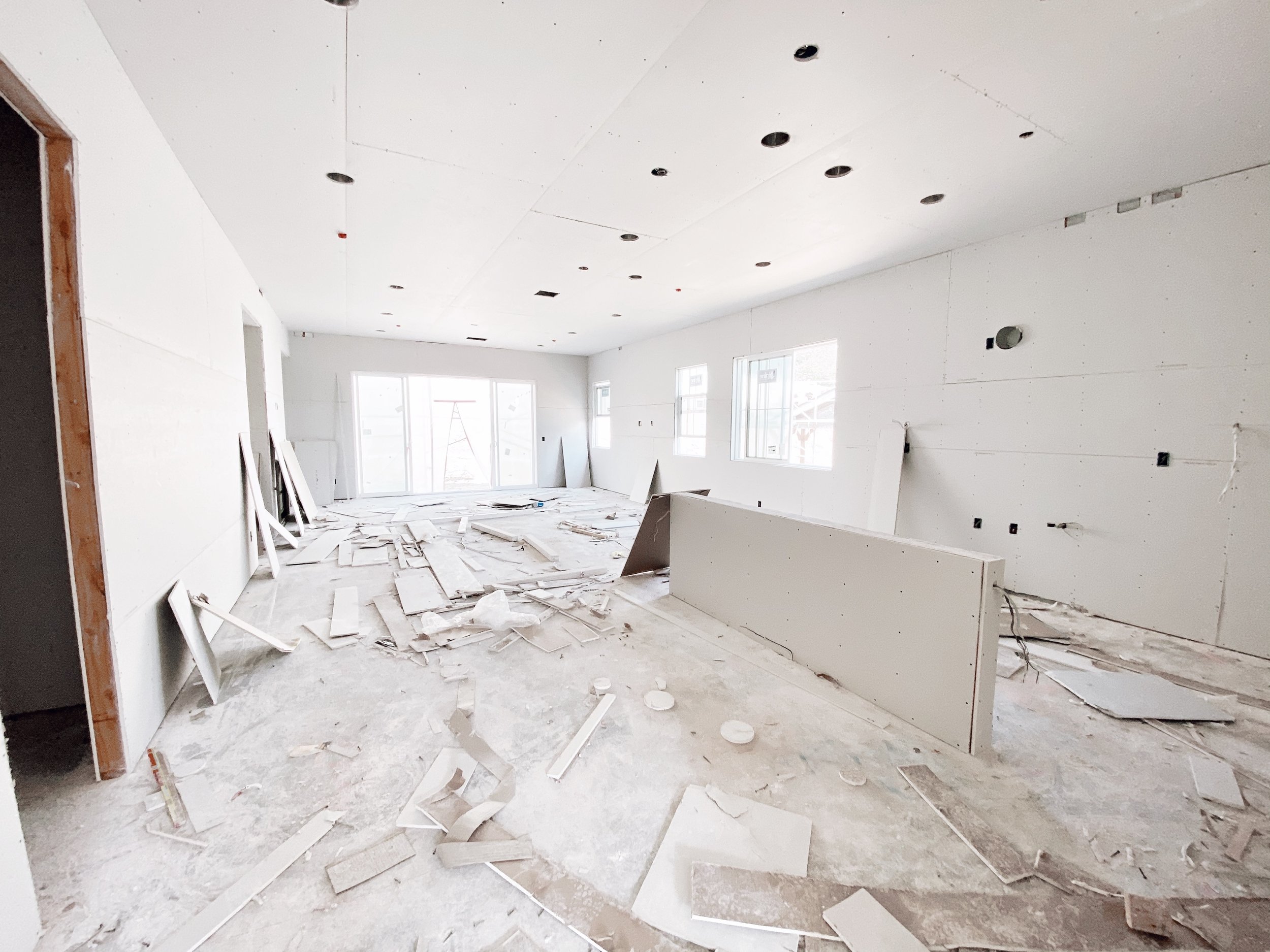
The Disruption Phase: When the Old Comes Out
Demolition is fast and visually dramatic.
Cabinets are removed.
Walls may be opened.
Flooring is lifted.
Utilities are disconnected.
For a brief window, your home will look worse before it looks better.
This phase can trigger uncertainty, especially if you didn’t fully understand what would be exposed behind the walls.
What makes this phase manageable is preparation:
• Clear construction schedule
• Defined scope of work
• Finalized floor plan
• Confirmed selections before demo
When the design phase is complete, demolition feels like execution — not improvisation.
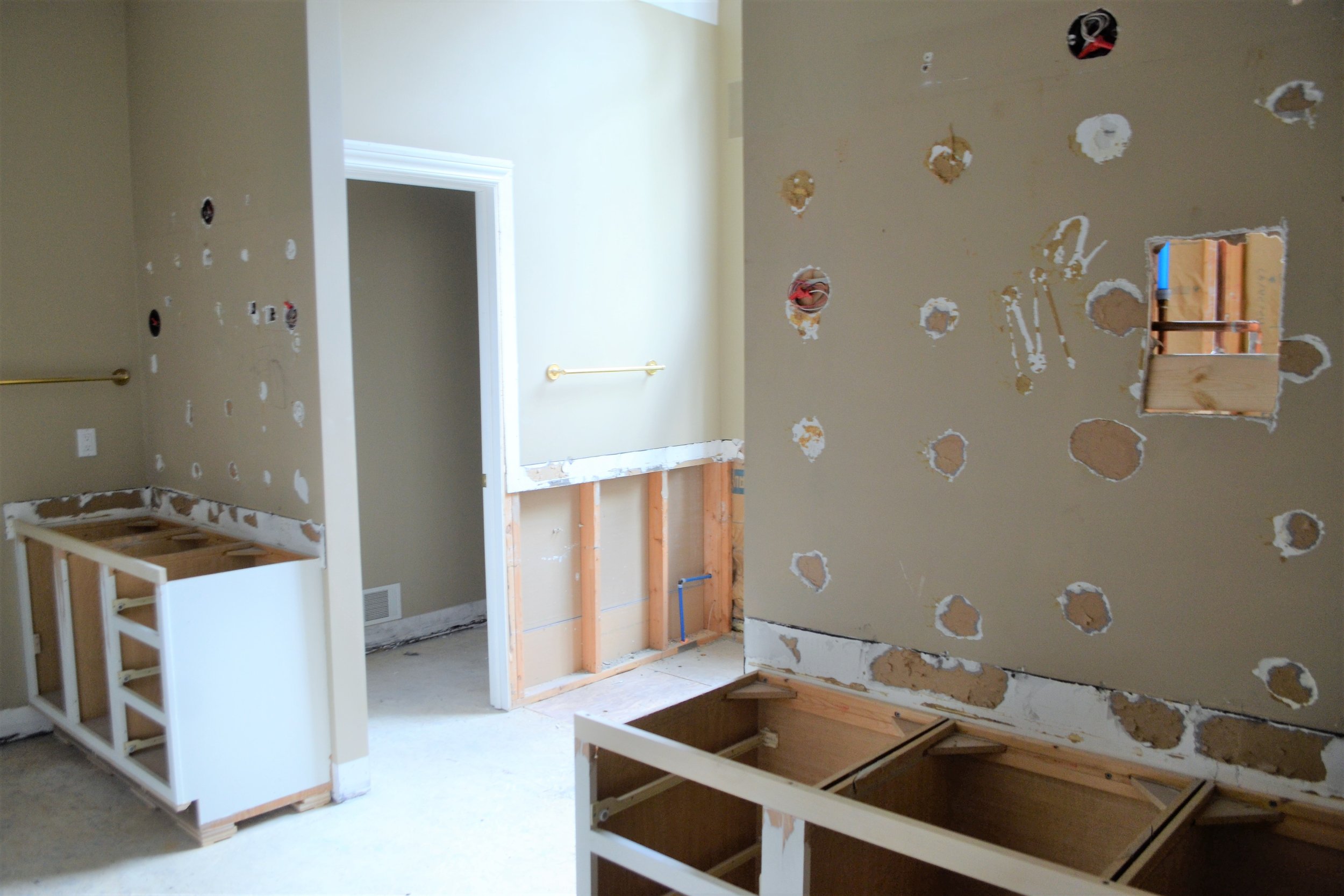
The Structural Build-Out: Where Strategy Becomes Visible
After demo, progress feels slower but more intentional.
Electrical and plumbing are roughed in.
Framing adjustments are completed.
Inspections may take place.
Nothing looks “beautiful” yet.
This is where homeowners often question the process.
But this is also where strong planning proves itself.
If lighting placement was mapped early, you won’t be shifting fixtures mid-install. If cabinet elevations were detailed, spacing issues won’t surface. If clearances were measured properly, appliances will fit without compromise.
This stage isn’t chaos.
It’s confirmation.
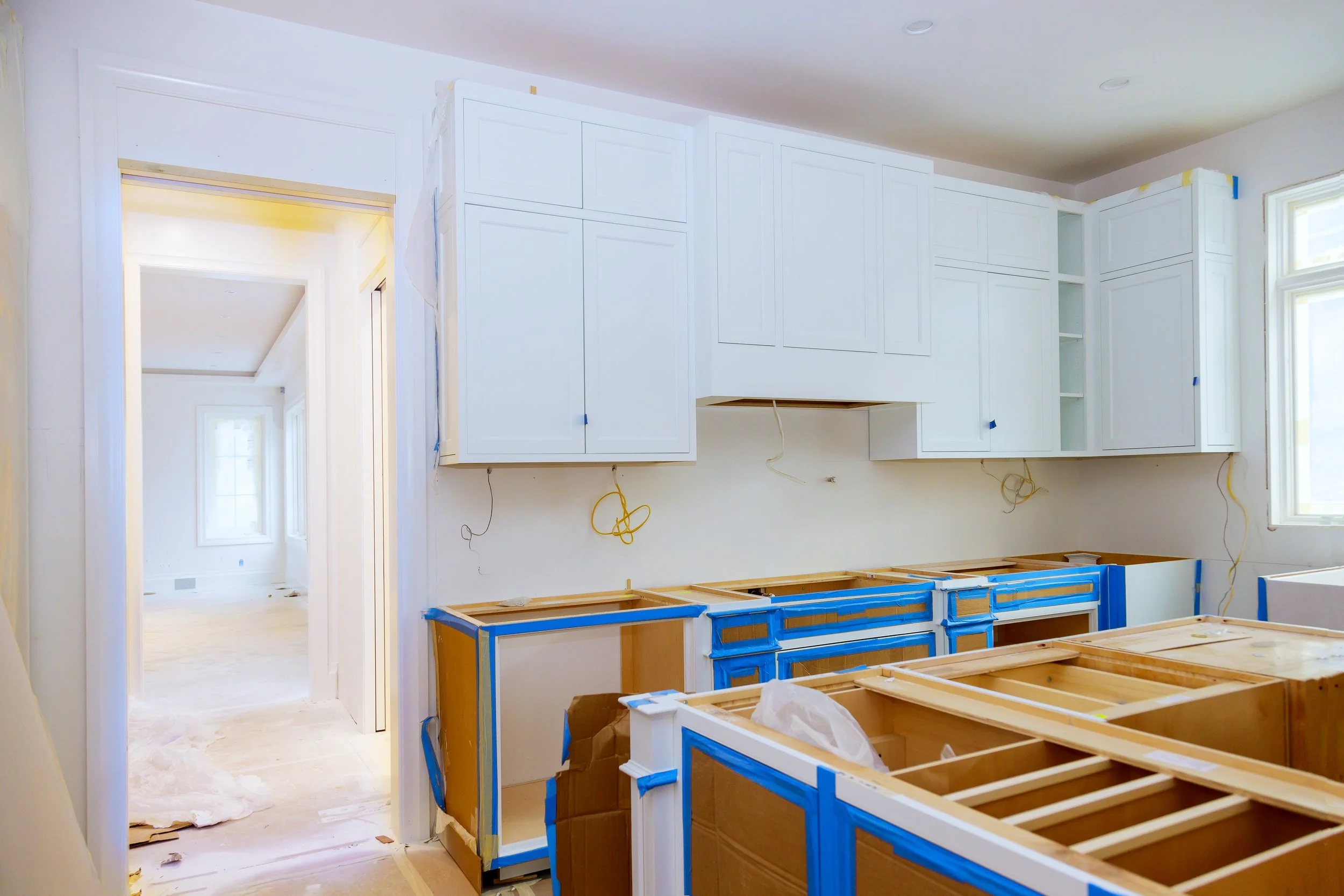
The Messy Middle: The Emotional Dip
Cabinet bases are installed.
Drywall is patched.
Surfaces are unfinished.
It starts to resemble a room again — but not quite.
This is when doubt can creep in.
“Will the colors work?”
“Is this layout right?”
“Did we make the right decisions?”
The messy middle feels uncertain only when decisions were rushed. When selections are intentional and aligned from the beginning, this phase feels like progress, not guesswork.
Remodel projects go smoother when design decisions happen before construction begins.
If you're planning a renovation in Naples, Bonita Springs, or Fort Myers, Nikki helps homeowners align layout, finishes, and wellness principles before the build phase starts.
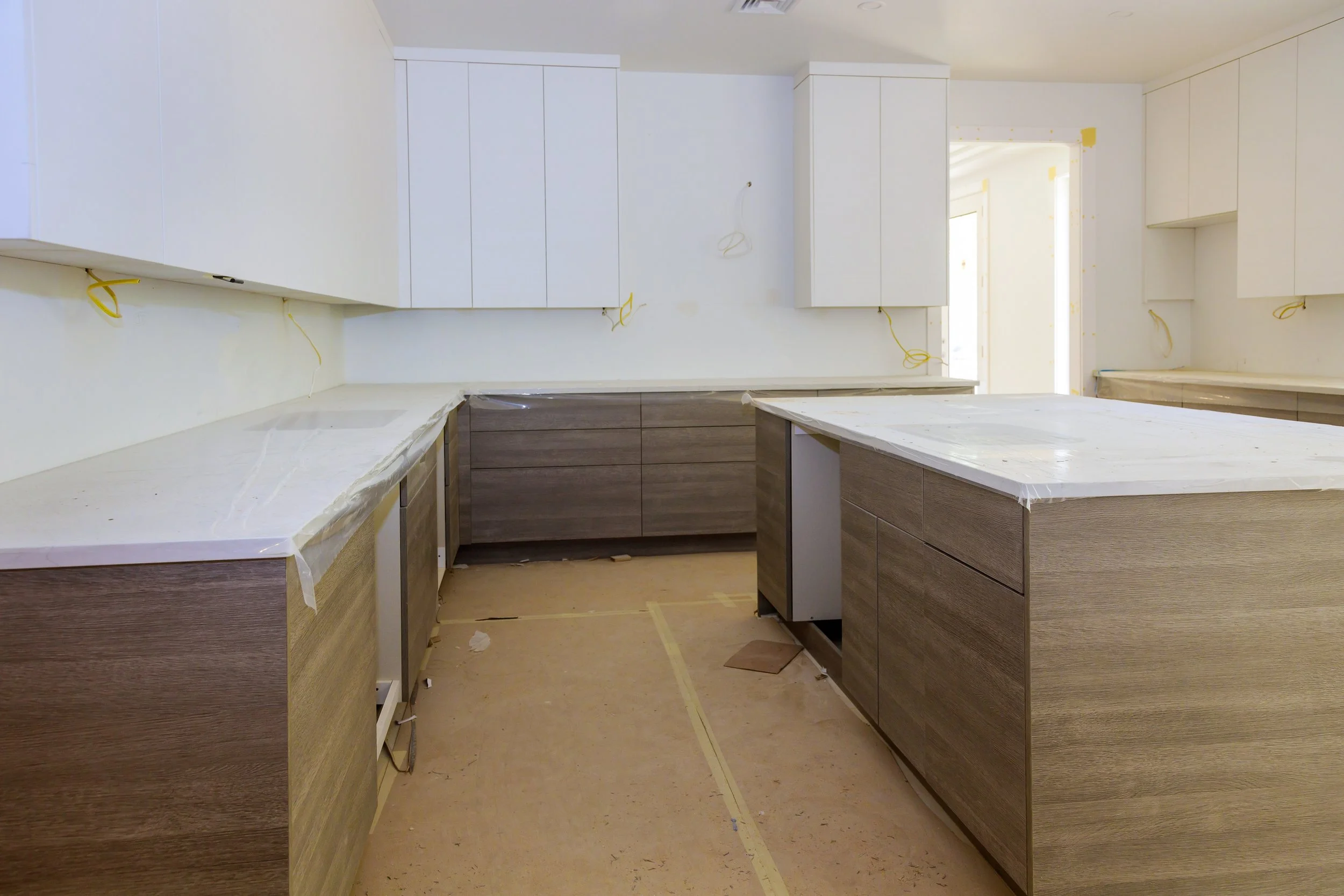
The Turning Point: When It Clicks
There is always a moment when everything shifts.
Cabinetry is fully installed.
Hardware appears.
Trim sharpens the edges of the room.
The space begins to feel cohesive.
This is when clients finally see the vision they committed to months earlier. It’s also the moment that reinforces why thorough planning matters.
A remodel shouldn’t rely on hope. It should rely on strategy.
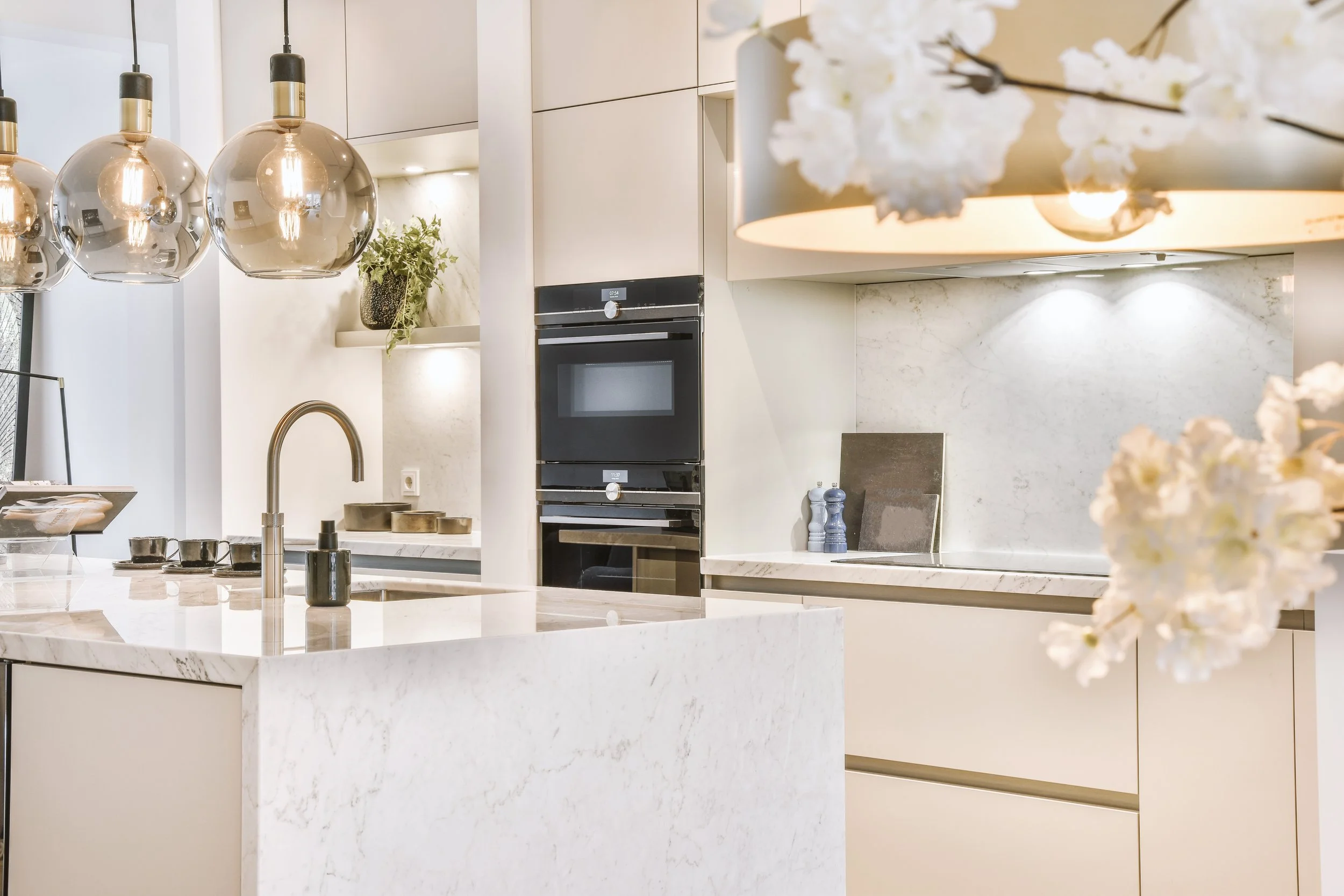
The Final Layer: What Everyone Shares Online
Countertops. Fixtures. Paint. Styling. These are the details most people associate with design.
But they work because:
• Proportions were solved first
• Lighting was placed intentionally
• Storage was customized to daily routines
• Materials were selected cohesively
The reveal isn’t the magic. The planning is.
Why Confidence During Renovation Comes From Early Decisions
Renovations feel overwhelming when the design phase is treated as an afterthought.
They feel steady when:
• Layout is finalized before demolition
• Selections are confirmed before ordering
• Elevations are detailed before installation
• Communication between trades is clear
Design is not decoration. It is risk management, planning, and alignment long before construction begins.
Planning a Remodel?
If you're considering a renovation this year, start with the strategy — not demolition.
Design clarity is what carries you through the messy middle.
